
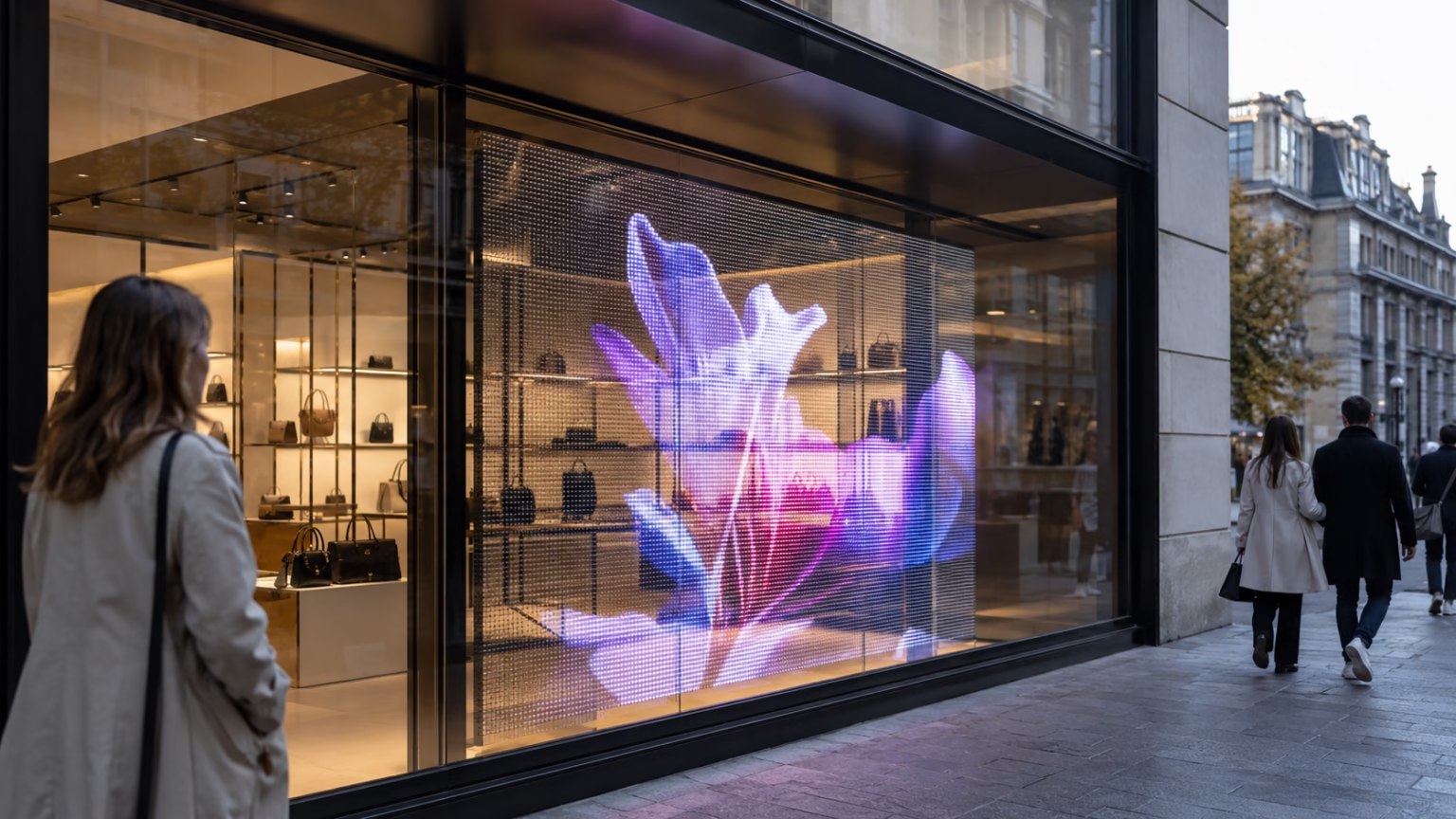
Transparent LED screens are a striking way to display digital content without completely blocking the space behind them. They are often used in glass-fronted retail stores, showrooms, offices and public-facing environments where visibility, light and design all matter.
Unlike a standard LED screen, a transparent LED display is made with gaps between the LED pixels or strips. This allows light to pass through the screen, creating a see-through effect while still displaying images, video or branded content.
Why choose transparent LED?
Transparent LED is ideal where a full solid screen would feel too heavy or intrusive. It allows businesses to add movement, colour and digital impact while keeping a sense of openness.
Common benefits include:
- Strong visual impact from outside the building
- Visibility through the display
- Reduced loss of natural light
- Slimline installation options
- A premium, architectural appearance
- Dynamic content without printed window graphics
This makes transparent LED especially useful for retail windows, car showrooms, shopping centres, reception areas, exhibitions and brand environments.
Are transparent LED screens fully transparent?
No. A transparent LED screen is not invisible.
The level of transparency depends on the screen design, pixel pitch and viewing distance. A display with wider spacing between pixels will usually allow more visibility through it, while a tighter pixel pitch can improve image detail but reduce transparency.
This means the right choice depends on the space, the content and how far away people will view the screen.
What content works best?
Transparent LED screens work best with bold, simple and high-contrast content. Large imagery, simple animations, product visuals and clear brand messages usually perform better than small text or detailed layouts.
Content should be designed specifically for the screen, rather than copied directly from a website, poster or standard display.
Installation considerations
A good transparent LED installation needs careful planning. Important considerations include:
- Glass size and structure
- Mounting method
- Screen weight
- Cable routes
- Power supply
- Maintenance access
- Brightness
- Viewing distance
- Content management
Because these screens are often installed in highly visible locations, the fixings, cables and finish need to be as carefully considered as the display itself.
Do transparent LED screens need planning permission?
They may do, depending on the location and how the screen is used.
Even if a transparent LED screen is installed inside a window, it may still be visible from outside and treated as advertising. This can be particularly relevant for large displays, bright shopfront screens, conservation areas, listed buildings or locations near roads.Yyou should check with the relevant local authority, landlord or a qualified planning consultant where required.
How Luminix can help
Luminix designs, supplies, installs and maintains transparent LED screens and digital signage systems across the UK.
We help clients choose the right display for the environment, considering transparency, brightness, pixel pitch, viewing distance, mounting method and long-term maintenance. The result is a clean, reliable and professional installation that feels properly integrated into the space.
Final thoughts
Transparent LED screens are best suited to spaces where digital impact needs to work alongside light, visibility and design. For the right environment, they can turn glass into a dynamic display surface without making the space feel closed off.