
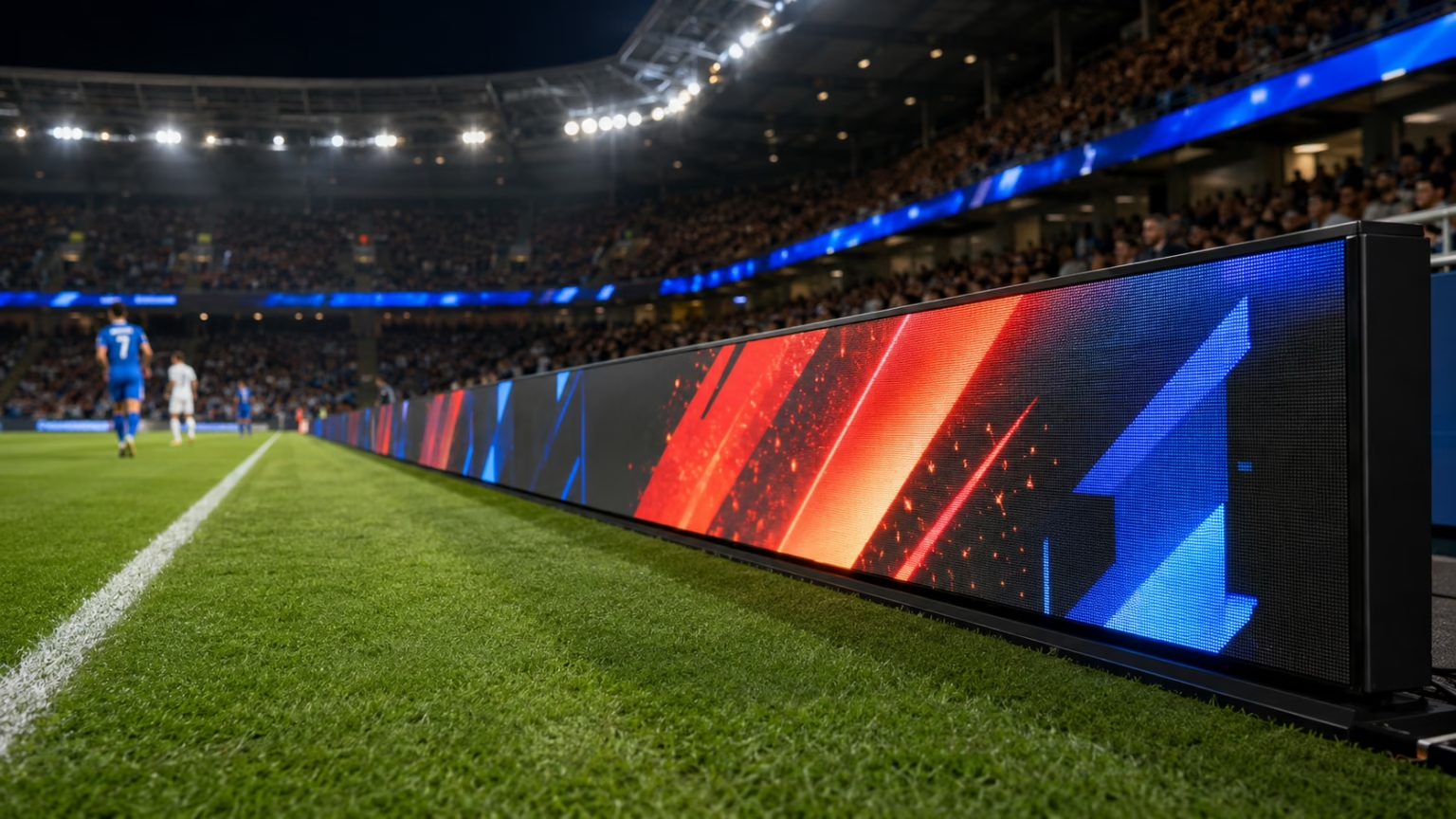
Stadium LED screens are a key part of modern live event environments. From football grounds and rugby stadiums to arenas, racecourses and outdoor fan zones, LED display technology helps venues communicate clearly, entertain audiences and create a more professional matchday experience.
Whether used for scoreboards, perimeter advertising, replay screens or concourse displays, stadium LED needs to be bright, reliable and built for demanding conditions.
What are stadium LED screens?
Stadium LED screens are large-format digital displays designed for sports and live event venues. They can be installed inside the stadium bowl, around the pitch, on concourses, outside entrances or in hospitality areas.
They are commonly used for:
- Live scores and match information
- Replay and video content
- Sponsor advertising
- Crowd messages
- Wayfinding and safety announcements
- Food, drink and merchandise promotions
- Fan engagement content
- Event schedules and venue updates
Unlike standard indoor screens, stadium LED displays are usually designed for longer viewing distances, high brightness and continuous use in busy environments.
Where are stadium LED screens used?
A complete stadium display system may include several different types of LED screen.
Main stadium screens
Large screens positioned at one or both ends of the venue, often used for replays, live video, scores, team line-ups and event content.
Perimeter LED boards
Pitchside or courtside displays used for sponsor advertising, partner messages and dynamic branding.
Scoreboards
Dedicated screens or integrated display areas showing live scores, clocks, team names and match information.
Concourse screens
Digital displays used around bars, walkways, entrances and hospitality areas to keep visitors informed and engaged.
External LED screens
Outdoor displays used at entrances, fan zones or public-facing areas to promote events, show live content or direct visitors.
Why LED works so well in stadiums
LED is well-suited to stadium environments because it can be scaled to almost any size and remains visible across long distances. It can also be shaped around the venue, integrated into existing structures and updated instantly through a content management system.
Key benefits include:
- High brightness for strong visibility
- Large-format impact for crowds
- Flexible screen sizes and shapes
- Real-time content updates
- Strong sponsor and advertising opportunities
- Improved wayfinding and crowd communication
- Better fan engagement throughout the venue
- Durable options for indoor and outdoor use
For venues, LED screens are not just display technology. They can also support commercial activity, event operations and the overall visitor experience.
Important specification considerations
Stadium LED screens need to be specified carefully. The right solution depends on where the screen is installed, how far away people will view it and what type of content will be shown.
Important considerations include:
- Pixel pitch
- Brightness
- Viewing distance
- Viewing angle
- Screen size
- Refresh rate
- Weather protection
- Impact resistance
- Mounting structure
- Service access
- Control system
- Content management
- Long-term maintenance
A screen used for close-up concourse messaging will need a different specification from a large screen viewed from the far side of a stadium. Choosing the wrong pixel pitch, brightness level or cabinet design can affect both performance and long-term value.
Outdoor durability and reliability
Many stadium LED screens are exposed to changing weather, temperature shifts, vibration and heavy use. Outdoor displays need to be built for the environment they are placed in.
This may include weather-rated cabinets, suitable ventilation, secure fixing methods, protected power and data routes, and safe access for servicing.
Reliability is especially important in live venues. A screen failure during a match or event can affect sponsors, visitors and operations. For this reason, maintenance and support should be considered from the start, not treated as an afterthought.
Content and control systems
The best stadium LED installations are supported by a clear content strategy and a reliable control system.
Different zones of the venue may need different content. A main screen may show live video and replays, while concourse displays show food offers, wayfinding and safety messages. Perimeter LED may need sponsor playlists, timed rotations or live campaign changes.
A good system should make it easy to manage content across multiple screens while still giving the venue control over what appears, when it appears and where it appears.
Safety and compliance
Stadium LED screens must be designed and installed with safety in mind. This includes the structural installation, electrical works, fixing points, access routes and any effect on spectators, players, staff or surrounding areas.
Large screens, external displays and illuminated advertising may also require approvals, depending on the location and installation type.
This article is general guidance only. It is not planning, legal, structural or professional safety advice, and Luminix does not accept responsibility for decisions made based on this information. Before proceeding with a stadium LED screen, you should seek advice from the relevant local authority, venue safety team, structural engineer, landlord or qualified consultant where required.
How Luminix can help
Luminix designs, supplies, installs and maintains commercial LED screen systems across the UK.
For stadiums, arenas and live event venues, we can support projects from early specification through to installation and ongoing maintenance. We help clients consider screen size, pixel pitch, brightness, mounting method, content control, service access and long-term reliability.
Whether the requirement is a main stadium screen, pitchside advertising, concourse displays or external signage, our focus is on creating systems that look right, work properly and keep performing.
Final thoughts
Stadium LED screens play an important role in the modern venue experience. They help inform, entertain and guide visitors, while also creating valuable space for sponsors, partners and event messaging.
The most effective installations are planned properly from the beginning. By choosing the right screen technology, control system and maintenance approach, venues can create a display network that supports both the audience experience and the commercial value of the space.